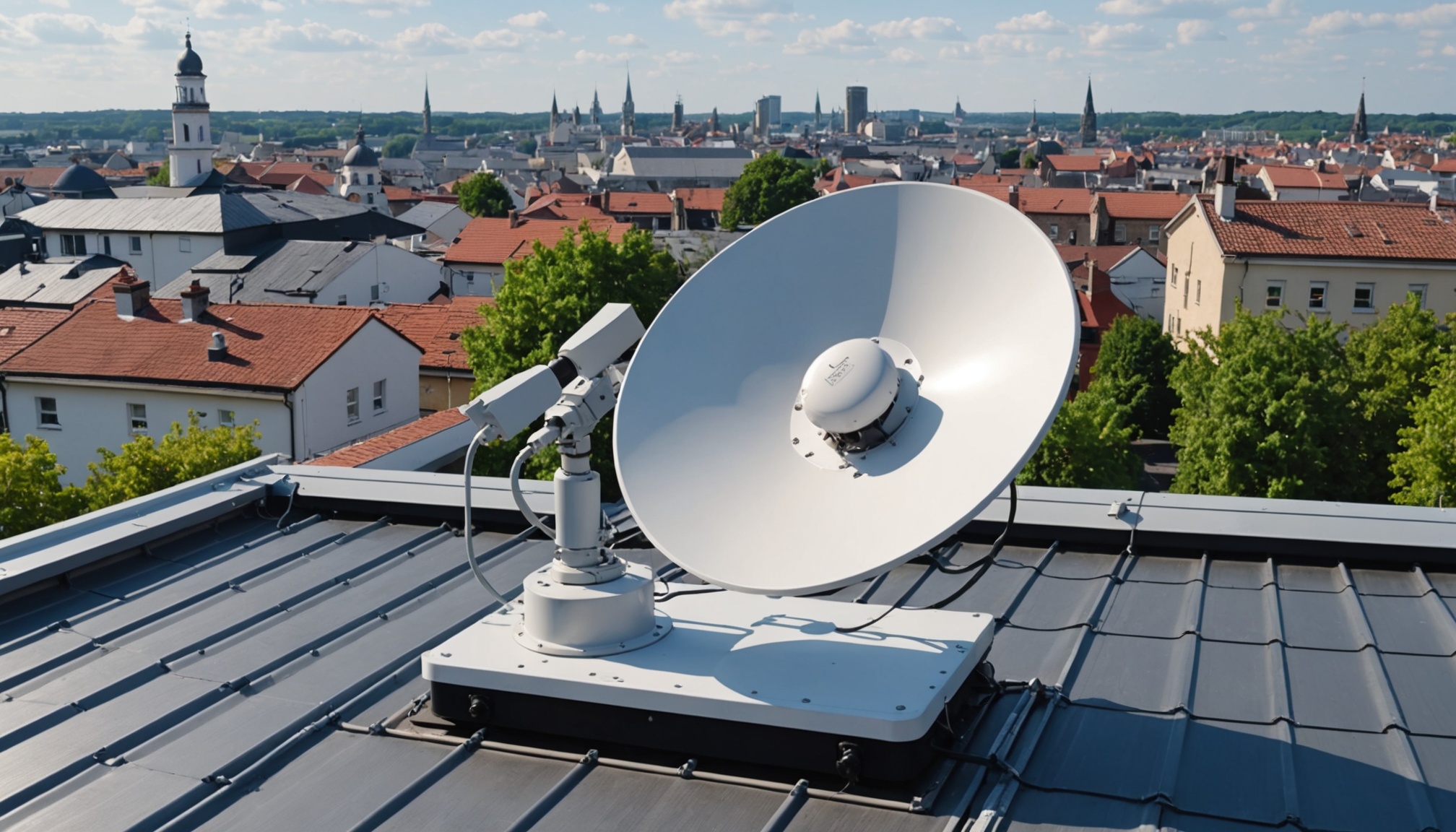
CCcam Server Setup on Raspberry Pi 5: 2026 Guide
Introduction to CCcam and Raspberry Pi 5
Setting up a cccam server setup raspberry pi 5 2026 is a great way to harness the power of your Raspberry Pi for card sharing. CCcam is a popular protocol used for sharing satellite television signals, and the Raspberry Pi 5 offers an excellent balance of performance and energy efficiency. Let’s break this down.
What is CCcam?
CCcam is a software that allows users to share access to satellite TV services over the Internet. It works by connecting multiple clients to a central server. This means you can watch your favorite channels without needing multiple subscriptions. It’s widely used due to its simplicity and effectiveness.
Overview of Raspberry Pi 5
The Raspberry Pi 5, released in early 2026, packs a punch with its quad-core processor and enhanced GPU. It supports up to 8GB of RAM, which is more than sufficient for running a CCcam server. Plus, it's compact and energy-efficient, making it an ideal choice for this setup.
Benefits of Using Raspberry Pi for CCcam
Using a Raspberry Pi for your CCcam server comes with several benefits. First, it's cost-effective; you can set up a powerful server without breaking the bank. Second, it’s low power consumption means you can run it 24/7 without worrying about electricity bills. Finally, the community support is fantastic. If you hit a snag, there are plenty of forums and resources to help.
Preparing Your Raspberry Pi 5 for CCcam Setup
Before we jump into the actual setup, let’s prepare your Raspberry Pi 5. You'll need to gather some hardware and software.
Required Hardware and Software
For this project, you’ll need:
- Raspberry Pi 5
- MicroSD card (at least 16GB)
- Power supply
- Internet connection (Ethernet or Wi-Fi)
- Keyboard and monitor for initial setup
Installing Raspbian OS
Start by installing the Raspbian OS. Download the latest version from the official Raspberry Pi website. Use a tool like Balena Etcher to flash the OS onto your microSD card. Once done, insert the card into your Raspberry Pi and boot it up. Follow the on-screen prompts to set it up.
Network Configuration
After the OS installation, you'll want to configure your network settings. If you’re using Ethernet, it should connect automatically. For Wi-Fi, go to the network settings and enter your credentials. It's advisable to set a static IP for your Raspberry Pi to ensure consistent access. You can do this by editing the DHCP settings on your router or by configuring the network interfaces directly in Raspbian.
CCcam Installation and Configuration Steps
Now that your Raspberry Pi is ready, we can move on to the CCcam installation.
Installing CCcam Software
Open the terminal on your Raspberry Pi and enter the following command to install CCcam:
sudo apt-get install cccamThis will fetch the latest CCcam package and install it on your system. It's straightforward, but make sure your package list is up to date.
Configuring CCcam.cfg
Next, you'll need to edit the CCcam configuration file. This file is usually located at /etc/CCcam.cfg. Open it with your preferred text editor:
sudo nano /etc/CCcam.cfgIn this file, you’ll need to input your server details, including your user accounts and any card information. A basic configuration might look like this:
F: user1 password1 1 0
C: yourprovider.com 12000 user2 password2
Make sure to replace the placeholders with your actual data. Save and exit the editor.
Setting Up Port Forwarding
To allow external connections to your CCcam server, set up port forwarding on your router. Typically, CCcam uses port 12000, but this may vary based on your configuration. Access your router's admin panel, find the port forwarding section, and forward the necessary ports to your Raspberry Pi’s static IP address.
Troubleshooting Common Issues
Even with a well-laid plan, issues can arise. Here are some common problems and how to tackle them.
Connection Problems
If clients can’t connect to your CCcam server, check your internet connection first. Ensure your Raspberry Pi is online. Then, verify that your router is forwarding the correct ports. Lastly, check your firewall settings to ensure they’re not blocking the connection.
Configuration Errors
Configuration errors can be tricky. Double-check your CCcam.cfg file for typos. Pay attention to spaces and line breaks, as these can throw off the entire setup. If things still aren't working, check the logs for any error messages that can guide your troubleshooting.
Performance Optimization
To optimize performance, ensure your Raspberry Pi is not overloaded with unnecessary processes. Disable any services or applications you don’t need. Additionally, monitor memory usage to ensure you’re not hitting limits. Tools like htop can help you keep an eye on system performance.
What is the best OS for Raspberry Pi 5?
Raspbian is the recommended OS due to its stability and support for Raspberry Pi hardware. It's user-friendly and has a large community for troubleshooting.
How do I secure my CCcam server?
Securing your server is crucial. Use strong, unique passwords, and consider setting up a firewall to block unwanted traffic. Additionally, regularly update your software to patch vulnerabilities.
Can I use a VPN with my CCcam server?
Using a VPN can enhance security and privacy when accessing your CCcam server, especially if you're connecting from public networks. It can also help bypass geo-restrictions.
What are the limitations of Raspberry Pi for CCcam?
While the Raspberry Pi 5 is powerful, it still has hardware limitations compared to dedicated servers. Performance may lag with multiple connections or high traffic. It's best suited for light to moderate use.
How can I monitor my CCcam server's performance?
Monitoring can be done using tools like htop or iftop to see system usage. Logging features in CCcam can also provide insights into connections and errors.